
Your Step-by-Step Guide to Home Remodeling in Los Angeles

Remodeling your home is an exciting opportunity to create a space that’s better suited to your lifestyle, boosts your property’s value, and enhances everyday living. But when you’re remodeling in a city like Los Angeles, where demand for construction services is high and regulations can be complex, having a step-by-step plan is essential.

In this guide, we walk you through the complete home remodeling process, from planning and permits to hiring the right general contractor in Los Angeles and executing the final touches—so you can approach your renovation with confidence.

1. Define Your Home Remodeling Goals

Before calling a contractor or choosing paint colors, clearly outline what you want to achieve.

Key Questions to Ask Yourself:

  • Are you remodeling for resale or personal enjoyment?
  • What rooms or features need updating?
  • Is this a cosmetic upgrade or a structural change?

Whether you’re updating a kitchen, expanding a living room, or redesigning your entire layout, setting clear goals will shape every decision going forward.

2. Establish a Realistic Budget

Los Angeles is one of the most active—and expensive—markets for home remodeling. Material and labor costs can vary widely, so plan your budget early and build in a contingency fund of at least 15-20% for unexpected expenses.

Include:

  • Design fees
  • Permits and inspections
  • Materials and finishes
  • Contractor labor costs
  • Temporary housing (if needed)

3. Find the Right General Contractor in Los Angeles

Hiring experienced general contractors in Los Angeles is critical. They manage timelines, subcontractors, permits, and inspections—ensuring your remodel stays on track.

Tips for Hiring:

  • Check CSLB License: Verify licenses at the Contractors State License Board (CSLB).
  • Ask for References: Contact past clients and review completed projects.
  • Review Insurance: Confirm the contractor has liability and workers’ comp coverage.
  • Get Multiple Quotes: Compare scope, materials, timelines, and payment schedules.

At LA Home Construction, we specialize in full-service home remodeling across Los Angeles, handling every detail with professionalism and transparency.

4. Secure Plans and Permits

In Los Angeles, building permits are required for most remodeling projects, especially structural, plumbing, or electrical work.

What’s Typically Needed:

  • Architectural plans or drawings
  • Engineering assessments (if altering structure)
  • Submittal to the Los Angeles Department of Building and Safety (LADBS)

Working with a contractor familiar with local codes can speed up the permitting process and ensure full compliance.

5. Create a Project Timeline

A clear timeline helps manage expectations and minimize disruptions to your daily life.

Common Time Estimates:

  • Planning & Permits: 1–3 months
  • Kitchen Remodel: 6–10 weeks
  • Bathroom Remodel: 3–6 weeks
  • Whole-Home Remodel: 4–8 months

Factors like material availability, inspections, and weather (for outdoor work) may affect the timeline. Build in flexibility.

6. Choose Materials and Finishes

This is where design meets functionality. Whether you’re selecting flooring, cabinetry, countertops, or lighting, make choices that align with both your personal style and long-term durability.

Pro Tips:

  • Visit showrooms in Los Angeles for inspiration and samples.
  • Use fire-resistant or energy-efficient materials when possible—especially important in LA’s climate.
  • Balance trends with timeless appeal to maintain resale value.

7. Demolition and Construction Begins

Once everything’s approved and scheduled, your general contractor will begin construction. This may include:

  • Site preparation and demolition
  • Structural work and framing
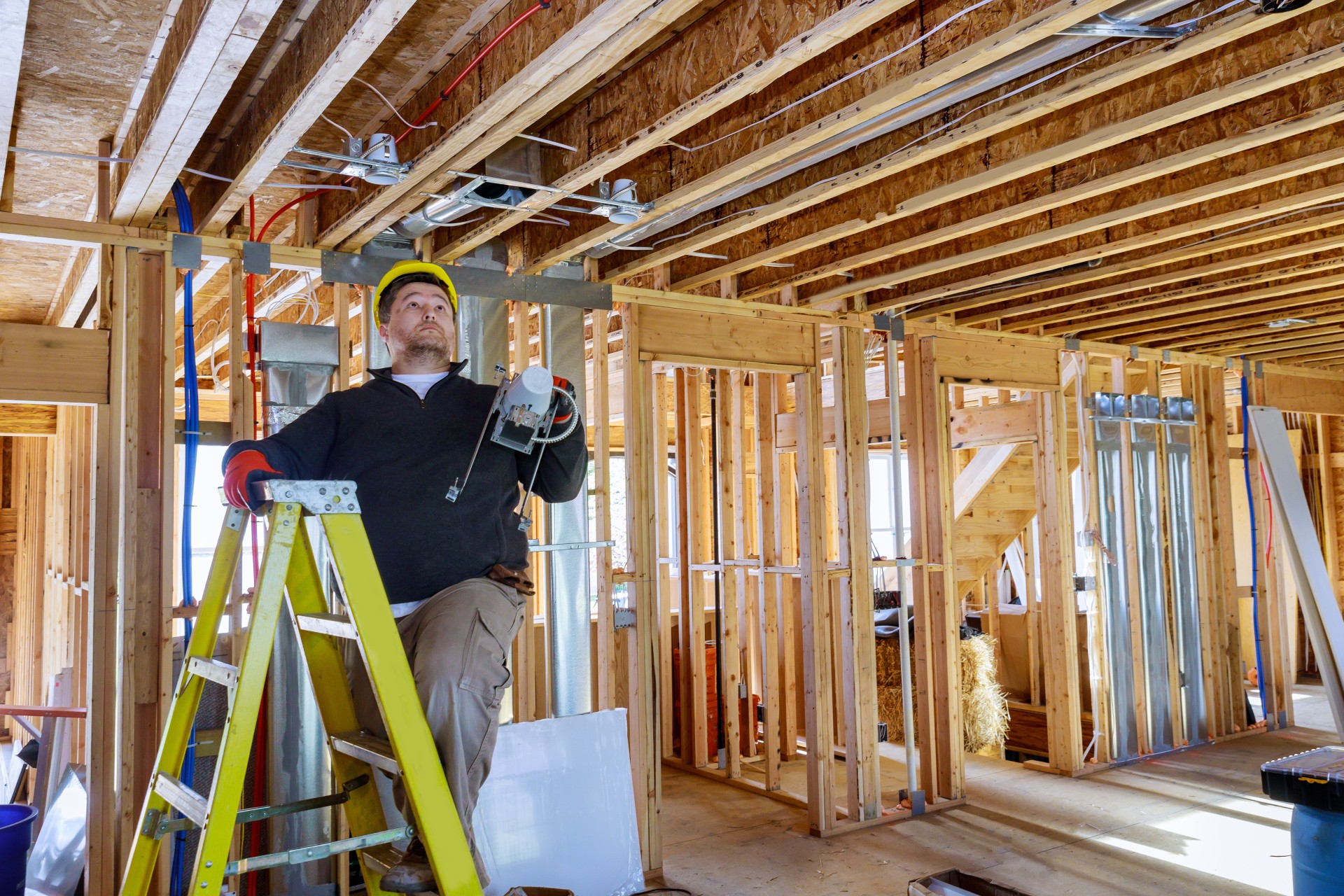
  • Plumbing, electrical, HVAC upgrades
  • Installation of walls, flooring, cabinets, and fixtures
  • Final inspections and walk-through

If you’re living on-site during the remodel, plan for noise, dust, and occasional inconveniences. Your contractor should communicate consistently and provide updates throughout.

8. Post-Construction Touches and Cleanup

As the project nears completion, focus shifts to final touches:

  • Paint and finishes
  • Hardware installation
  • Appliance placement
  • Punch list items (minor fixes and adjustments)

Ensure the space is professionally cleaned and that all building inspections have passed before considering the job complete.

9. Enjoy Your Transformed Home

Once everything is finished and approved, it’s time to enjoy your newly remodeled home. Whether you’ve created an open-concept kitchen, a spa-like bathroom, or an entirely reimagined living space, the results should reflect your original goals—now brought to life.

Conclusion: Ready to Remodel Your LA Home?

At LA Home Construction, we understand the unique challenges and opportunities of remodeling in Los Angeles. From kitchen and bathroom upgrades to full-home renovations, our experienced general contractors and design team are here to guide you every step of the way.

Let us help you turn your vision into reality—on time, on budget, and with expert craftsmanship.

👉 Contact us today for a free consultation and see why we’re one of the top-rated construction companies in Los Angeles for home remodeling.


Navigating High Demand in LA’s Rebuilding Scene: A Homeowner’s Guide

Rebuilding after a disaster is never easy, and in Los Angeles, where wildfires and natural disasters have led to a surge in reconstruction projects, demand for contractors, materials, and permits has never been higher. Homeowners looking to rebuild must navigate a competitive construction market, potential delays, and financial challenges. In this guide, we’ll explore the scale of demand, phased rebuilding strategies, financial planning, and available community support to help LA homeowners rebuild efficiently.

1. The Scale of Demand: How Many Homes Need Rebuilding?

Rebuilding projects have increased in Los Angeles and the neighboring areas as a result of earthquakes, wildfires, and aging infrastructure. The construction industry is under considerable amounts of pressure as a result of this expansion, which has led to:

  • Contractor shortages, making it difficult to book skilled professionals.
  • Material supply delays, particularly for lumber, steel, and roofing materials.
  • Permitting bottlenecks, as local authorities process high volumes of rebuilding applications.

Impact on Homeowners

  • Longer Wait Times: Securing a contractor can take months, while some materials have lead times of 6-12 months.
  • Higher Costs: Increased demand has led to price surges in labor and materials, making budgeting more difficult.
  • Competitive Bidding: Contractors may prioritize larger, high-value projects, leaving smaller rebuilds with fewer options.

Given these challenges, homeowners must plan strategically to ensure steady progress on their rebuilding journey.

2. Prioritization and Phased Building: Where to Start?

With high demand causing potential delays, phased rebuilding is a practical approach. Instead of waiting for everything to be ready at once, start with essential structures and gradually work toward a fully rebuilt home.

Phased rebuilding is a good approach because strong demand may cause delays. Start with essential structures and work slowly up to a completely restored home rather than waiting for everything to be finished at once.

Step 1: Temporary Solutions

  • Modular or Prefabricated Units: Quick-to-install temporary housing options.
  • Accessory Dwelling Units (ADUs): If your property allows, building an ADU first can provide immediate living space while you complete the main home.
  • RV or Trailer Living: Many homeowners opt for temporary mobile homes on their property during the rebuild.

Step 2: Core Construction First

  • Foundation & Structural Work: Once permits are secured, prioritize laying the foundation and completing the framing.
  • Essential Utilities: Plumbing, electrical, and HVAC should be in place before finishing interior details.

Step 3: Interior Finishing & Landscaping

  • Once the home is livable, focus on details like cabinetry, flooring, and landscaping.
  • Non-essential exterior elements, such as patios or additional storage, can be completed later.

This phased approach minimizes downtime, ensuring you have a place to stay while your full home is completed.

3. Community and Government Support: Available Resources

The State of California and Los Angeles County provide a number of programs to help homeowners with rebuilding. Key resources include the following:

Government Assistance

  • FEMA’s Disaster Relief Programs provide financial aid for temporary housing and essential repairs.
  • California Rebuilding Assistance Programs offer low-interest loans for homeowners affected by disasters.
  • Los Angeles Department of Building & Safety (LADBS) provides fast-tracked permit approvals for fire-affected areas.

Community-Led Initiatives

  • Local Rebuilding Organizations: Groups like Rebuilding Together LA and Habitat for Humanity assist with materials and volunteer labor.
  • Neighborhood Support Networks: Many local communities pool contractor resources to secure group discounts on labor and materials.

Taking advantage of these programs can help speed up the process and reduce financial strain.

4. Insurance and Financial Planning: Managing Costs Effectively

Construction is only one aspect of rebuilding; it’s also about financial planning . Handling insurance claims, preparing for unexpected costs, and budgeting extra cost are challenges that many homeowners face.

Navigating Insurance Claims

  • Review Your Policy: Ensure you understand what’s covered and what’s not, including temporary housing, construction costs, and material price adjustments.
  • Work with an Adjuster: Hiring a public insurance adjuster can help maximize your claim payout.
  • Document Everything: Take photos of the damage, save all receipts, and keep detailed records of expenses.

Planning for Out-of-Pocket Costs

Even with insurance, homeowners often face extra costs due to material price fluctuations and labor shortages.Here are some tips for financial planning:

  • Set Aside a Contingency Fund: Budget 15-20% more than your initial estimate to cover unexpected costs.
  • Explore Low-Interest Rebuilding Loans: Look into FHA 203(k) loans, California Housing Finance Agency (CalHFA) loans, and local grant programs.
  • Negotiate with Contractors: Some contractors offer payment plans or discounts for early commitments.

By staying financially proactive, you can avoid unexpected delays caused by funding shortages.

5. Patience and Planning: Setting Realistic Expectations

Rebuilding after a disaster is a marathon, not a sprint. Many homeowners find the process mentally and emotionally taxing, but having the right mindset can make all the difference.

Set Realistic Timelines

  • Expect delays due to permitting, contractor availability, and material shortages.
  • Be flexible and adjust your living arrangements accordingly.
  • Work with your contractor to set achievable milestones rather than rushing the process.

Have a Backup Living Plan

  • Extended Rental Agreements: If renting, consider negotiating a month-to-month lease in case your rebuild takes longer.
  • Family Support: Some homeowners stay with relatives to cut temporary housing costs.
  • Insurance Housing Assistance: If you qualify, use temporary housing coverage included in your insurance policy.

Stay Connected with Your Community

Rebuilding can feel isolating, but you can stay connected with experts, neighbors, and support groups to reduce stress and stay up to date on the most recent rebuilding development news in Los Angeles.


Conclusion: Rebuilding with Confidence

Although Los Angeles homeowners face difficulties due to high demand and material shortages, the rebuilding process may go more smoothly with proper planning, financial preparedness, and community support. You may successfully navigate the rebuilding scenario and make sure your house is constructed to last by giving priority to necessary construction, hiring trustworthy contractors early, and making use of the resources at your disposal.


How LA Home Construction Can Help

Our specialty at LA Home Construction is to efficiently help homeowners with their rebuilds by offering professional advice, material sourcing, and financial planning support. Contact us today to discuss your rebuilding project and secure your place in our construction schedule.

Material Shortages in LA: What to Expect and How to Prepare

As Los Angeles continues to rebuild following recent fires, homeowners face a new challenge: material shortages. Essential building materials like lumber, roofing supplies, and steel are in high demand, resulting in longer wait times and higher prices. Understanding the current landscape and preparing properly might help homeowners manage these challenges more efficiently. In this article, we’ll take a look at what materials are in limited supply, how to plan for delays, the financial implications, and some sustainable alternatives to consider.

1. Current Material Shortage Landscape in Los Angeles

Homeowners and contractors in Los Angeles faced challenges in obtaining essential materials due to global supply chain disruptions and post-fire rebuilding efforts. Some of the most impacted materials include:

Lumber

  • Wildfires have destroyed vast amounts of timber, reducing the available supply.
  • Increased home construction projects across California have further strained resources.
  • Price volatility continues as demand outpaces production.

Roofing Materials

  • Asphalt shingles, clay tiles, and metal roofing are experiencing supply chain delays.
  • The demand for fire-resistant roofing materials has surged, creating additional shortages.

Steel & Metal Components

  • Steel framing, rebar, and other metal construction materials are seeing longer lead times due to import delays.
  • Price fluctuations are common, making it harder for homeowners to budget for their projects.

Windows & Doors

  • Custom windows and fire-rated doors have become increasingly difficult to obtain.
  • Supply chain delays have extended delivery timelines, sometimes by several months.

Due to shortages, homeowners must adjust their expectations and plan their rebuilds carefully to avoid prolonged delays.

2. Planning for Delays: Adjusting Your Rebuild Timeline

Given the current material shortages, patience and proactive planning are key to keeping your rebuild on track. Here’s how you can prepare:

  • Order Early: Work with your contractor to secure materials as soon as possible. Some materials may take weeks or months to arrive.
  • Be Flexible: Consider adjusting your project timeline based on material availability.
  • Use Temporary Solutions: If certain materials are delayed, ask your contractor about temporary alternatives that allow other aspects of construction to continue.
  • Monitor Market Trends: Stay updated on pricing and availability by checking in with your supplier regularly.

Being strategic and adaptable can help homeowners avoid unnecessary delays and frustration.

3. Alternative Materials to Consider

If your preferred materials are out of stock or too expensive, consider alternative materials that are more readily available and offer additional benefits.

Composite Materials

  • Engineered wood or fiber cement can replace traditional lumber.
  • Composite materials are more resistant to fire and moisture, making them ideal for post-fire rebuilds.

Recycled or Repurposed Materials

  • Reclaimed wood, bricks, and salvaged metal can reduce costs and are often more readily available.
  • Many local suppliers in Los Angeles offer sustainable and repurposed materials.

Fire-Resistant Building Materials

  • Fire-Retardant Treated Wood (FRTW): More durable and offers better fire protection.
  • Metal Roofing: More fire-resistant than asphalt shingles and provides better longevity.
  • Concrete Blocks & Insulated Panels: Non-combustible and help with energy efficiency.

Using these alternatives not only mitigates supply chain issues but also ensures a more resilient home against future wildfires.

4. Cost Implications and Budgeting for Price Hikes

The cost of essential building supplies has increased notably due to disruptions in the supply chain and rising demand. Here’s how to budget smartly and manage costs:

Anticipate Higher Costs

  • Materials such as lumber and steel have seen price increases of up to 30-50% in some cases.
  • Set aside an extra 15-20% in your budget to account for unexpected price hikes.

Leverage Insurance Claims

  • If you’re rebuilding after a fire, work with your insurance adjuster to ensure your policy covers material cost increases.
  • Check if your policy includes an “inflation clause”, which accounts for rising material costs.

Negotiate with Suppliers

  • Establish relationships with local suppliers and discuss possible discounts for bulk purchases.
  • Consider group buys with neighbors to secure better pricing.

Understanding market trends and planning for cost fluctuations will help you avoid unexpected financial strain.

5. Sourcing Strategies: Where to Find Materials

Finding construction materials in today’s market requires a multi-source approach. Here are the best places to look:

1. Local Suppliers and Warehouses

  • Smaller, independent suppliers may have materials in stock that national chains do not.
  • Los Angeles has several specialized suppliers that focus on fire-resistant and sustainable materials.

2. National Distributors

  • Larger distributors can sometimes secure bulk inventory faster than smaller suppliers.
  • Consider checking with nationwide chains like Home Depot, Lowe’s, or specialty construction material suppliers.

3. Salvaged or Reclaimed Materials

  • Look for salvage yards, demolition sites, or online marketplaces like Habitat for Humanity’s ReStore, Craigslist, or OfferUp.
  • Repurposing materials can save money while reducing environmental impact.

4. Pre-Ordering & Supplier Relationships

  • Establishing long-term relationships with suppliers can give you priority when new inventory arrives.
  • Pre-order materials in advance to secure your spot in supply allocations.

By diversifying your sourcing methods, You increase the chance that your project will be completed on time.

6. Sustainability & Future-Proofing Your Home

Lack of materials provides a chance to reconsider the long-term durability of your house. You can make sure your house is more sustainable and more secured by selecting eco-friendly and fire-resistant materials.

Fire-Resistant Options:

  • Fire-Retardant Treated Wood (FRTW): Ideal for framing and decking.
  • Concrete or Fiber Cement Siding: Non-combustible and requires little maintenance.
  • Metal Roofs: Highly fire-resistant and long-lasting.

Energy-Efficient Materials:

  • Insulated Concrete Forms (ICFs): Provide better insulation and disaster resistance.
  • Solar-Reflective Roofing: Reduces heat absorption and lowers cooling costs.

Using sustainable materials not only improves home safety but can also reduce long-term energy costs and increase property value.


Conclusion: Smart Planning for a Smooth Rebuild

Despite the difficulties caused by material shortages, LA homeowners may stay on track with smart planning and strategic sourcing. You may successfully manage these disruptions by considering alternative supplies, budgeting for price changes, and making use of local resources.

At LA Home Construction, we provide advice on sustainable solutions, sourcing, and material selection to assist homeowners in rebuilding effectively.Contact us today to discuss your project and how we can assist you in overcoming material shortages.

Overcoming the Contractor Shortage: Insights for LA Homeowners

As Los Angeles slowly rebuilds from wildfires and an unprecedented construction boom, the biggest challenge facing homeowners seems insurmountable: there just aren’t enough skilled contractors. Skyrocketing demand for construction services has left many scrambling to secure professionals for their rebuilding and remodeling projects. This article will explore why this shortage exists and provide actionable insights that will help LA homeowners navigate the competitive construction landscape.

1. Understanding the Contractor Shortage in LA

Los Angeles is no stranger to housing demand, but recent wildfires, in conjunction with a surge in home improvement projects, have pushed the need for contractors to new heights. Factors contributing to the shortage include:

  • High Demand Post-Fires: Rebuilding efforts across wildfire-affected areas have stretched the availability of contractors thin.
  • Labor Shortages: Nationwide labor challenges, particularly in skilled trades like carpentry and plumbing, are affecting local markets.
  • Permitting Delays: Many homeowners are stuck in the permitting process, creating bottlenecks that further impact contractors’ schedules.

With demand outpacing supply, it’s essential for LA homeowners to adopt proactive strategies to secure reliable contractors.

2. Strategies to Secure a Contractor

Finding a contractor in today’s market can feel overwhelming, but the following steps can give you an edge:


Commit Early

  • Book in Advance: Start searching for contractors as soon as you finalize your project idea. Many reputable contractors are booked months in advance.
  • Pre-Approval Agreements: Some contractors offer pre-approval agreements, reserving your spot on their schedule for a small deposit.

Leverage Your Network

  • Ask for Recommendations: Reach out to local real estate agents, neighbors, or community groups for trusted referrals.
  • Explore Online Resources: Use forums like Nextdoor, Facebook community groups, or Yelp to find and vet contractors with good reviews in your area.
  • Check Local Listings: The Los Angeles Chamber of Commerce or the Contractors State License Board (CSLB) website often lists qualified professionals.

Be Flexible

  • Adjust Timelines: If possible, schedule your project during off-peak seasons when contractors are less busy.
  • Simplify Your Scope: Focus on essential elements of your build to make the project more manageable and attractive to contractors.

3. Prioritizing Your Build to Stand Out

In a competitive market, making your project appealing to contractors can improve your chances of securing their services. Here’s how:


Prepare Thoroughly

  • Complete Permits: Having all permits approved shows contractors you’re ready to begin immediately, saving them time and effort.
  • Clear the Site: If your property needs debris removal or land preparation, handle it in advance to streamline the process.
  • Provide Clear Plans: Detailed blueprints and material lists can help contractors understand the scope of your project quickly.

Highlight Urgency or Simplicity

  • Smaller Projects: Contractors may prioritize simpler jobs that fit easily into their schedule.
  • Specialized Work: If your project requires specific expertise that matches the contractor’s specialty, they may be more likely to take it on.

4. Exploring Alternatives and Adjustments

If traditional contractors aren’t available, consider alternative construction methods or approaches that reduce dependency on scarce labor:


Modular Homes

  • What They Are: Pre-built sections of a home constructed off-site and assembled on your property.
  • Advantages: Faster timelines, often less expensive, and require fewer on-site workers.

Panelized Construction

  • What It Is: Prefabricated wall panels and components that are shipped to your site for assembly.
  • Advantages: Reduces construction time and labor requirements while maintaining quality.

Design-Build Firms

  • What They Are: Companies that handle both design and construction, streamlining the process.
  • Advantages: Minimizes the need for multiple contractors and ensures continuity throughout the project.

5. Community and Cooperative Efforts

In Los Angeles, some communities are banding together to address the contractor shortage creatively. These initiatives can provide inspiration and practical solutions for homeowners:


Group Negotiations

  • Shared Contractor Services: Homeowners in the same neighborhood or community pool resources to hire contractors for multiple projects, often negotiating better rates.
  • Bulk Material Orders: Group purchases of materials can also attract contractors who appreciate cost efficiencies.

Volunteer or Nonprofit Support

  • Community Programs: Some local nonprofits offer resources for fire-affected families, connecting them with volunteer labor or discounted contractor services.
  • Co-Op Initiatives: Homeowners collaborate to share labor, tools, or even DIY portions of their builds.

Conclusion

The contractor shortage in Los Angeles presents unique challenges for homeowners, but with strategic planning and flexibility, it’s possible to secure reliable professionals for your rebuilding or remodeling project. Whether through early commitments, alternative construction methods, or community cooperation, there are solutions to help you move forward with confidence.


How LA Home Construction Can Help

At LA Home Construction, we understand the difficulties homeowners face in today’s competitive market. Our team is committed to helping Los Angeles residents navigate the rebuilding process with personalized service, professional expertise, and timely project completion. Contact us today to discuss your construction needs and secure your spot on our schedule.

Navigating Contractor Selection Post-Fire: What LA Homeowners Need to Know

Recovering from a fire is not just about rebuilding walls—it’s about restoring your sense of security and comfort at home. For many Los Angeles residents, wildfires and house fires can lead to life-altering losses that require swift yet careful reconstruction. Selecting the right contractor is critical to ensure the rebuild meets local codes, stands the test of time, and gives you peace of mind during a stressful period. Below are essential factors every LA homeowner should consider when hiring a contractor after a fire.

1. The Emotional and Practical Urgency of Rebuilding

Experiencing a fire can be a traumatic event, leaving families in shock and eager to restore normalcy. While the emotional drive to rebuild is strong, it’s vital to approach this next step methodically. Rushing into a contract without proper due diligence can lead to subpar workmanship, hidden fees, and potential legal headaches—on top of an already challenging situation. Taking the time to vet your contractor carefully will help you avoid further stress and financial strain down the road.

2. Check Licenses and Credentials

Verify Licensing with the CSLB

In California, reputable contractors are required to be licensed by the Contractors State License Board (CSLB). Before you commit to any contractor, verify their license number through the CSLB’s online database. This ensures they meet California’s legal and professional requirements to perform residential construction, including fire damage restoration, debris removal, and structural rebuilding.


Importance of Insurance and Bonding

  • Worker’s Compensation: Protects you from liability if a worker is injured on your property.
  • General Liability Insurance: Covers damage to your home resulting from the contractor’s work.
  • Bonding: Offers a layer of financial protection if a contractor fails to complete the project or meet certain contractual obligations.

Ask each potential contractor to provide proof of these coverages. Working with insured and bonded professionals can help you avoid expensive legal issues, especially when dealing with the complexities of a fire-damaged property.


Look for Certifications

Certifications like LEED (Leadership in Energy and Environmental Design) or NARI (National Association of the Remodeling Industry) membership indicate a contractor’s commitment to sustainable building practices and industry standards. In a city like Los Angeles, which emphasizes eco-friendly solutions, these certifications can be a major plus.

3. Red Flags to Watch Out For

In the wake of disasters, “storm chasers” or unscrupulous contractors may descend on neighborhoods offering quick fixes at suspiciously low prices. Watch out for:

  • No Physical Business Address: Legitimate contractors will have an established office location and local references.
  • Aggressive Sales Tactics: Beware of contractors pressuring you to sign a contract immediately or pay large sums of money upfront.
  • Full Payment Upfront: In California, contractors can only ask for a down payment of 10% of the project cost or $1,000, whichever is less. Anything more is a red flag.
  • Unwilling to Provide References: Any reputable contractor should be eager to show off past work and share contact details of satisfied clients.

4. Gathering Quotes and References

Get Multiple Quotes

To find a fair market price, obtain at least three quotes. Make sure each quote covers all aspects of the rebuild:

  • Debris Removal: Clearing away fire-damaged materials, ensuring the site is safe for construction.
  • Soil Testing: In areas prone to wildfires, it’s essential to check soil stability, especially if you’re rebuilding on a hillside or near canyons.
  • Construction Scope: From framing and roofing to electrical and plumbing, confirm the quote details each major phase of rebuilding.

Compare these quotes not just on price, but also on quality of materials, proposed timelines, and warranties offered.


Check References Thoroughly

Ask each contractor for references from past clients who have rebuilt after fires. This ensures the contractor has specific experience with fire-damage restoration and can handle the unique challenges it entails. Contact these references directly to discuss:

  • Project Timelines: Did the contractor stay on schedule?
  • Communication: Were there regular updates and open lines of communication?
  • Budget Management: Were there any unexpected cost overruns or hidden fees?

5. Contract Details and Must-Haves

A well-structured contract protects both you and the contractor from misunderstandings. It should include:

  1. Payment Schedules: California law limits the down payment a contractor can request. Break down payment milestones based on project completion stages—e.g., after demolition, framing, roofing, etc.
  2. Scope of Work: Clearly define what tasks are included, what materials will be used, and who is responsible for obtaining necessary permits in Los Angeles or surrounding areas.
  3. Timelines and Schedules: Ensure there’s a realistic estimate for when each project phase will be completed. Delays can happen, especially post-disaster, but having a schedule helps keep everyone accountable.
  4. Clauses for Unexpected Issues: Supply chain disruptions, labor shortages, or hidden damage can all arise unexpectedly. Your contract should outline procedures for handling additional costs or extended timelines.
  5. Change Orders: Any changes to the original plan should be documented in a written change order, including new costs and revised timelines.

Conclusion

Rebuilding after a fire can be both emotionally and financially taxing. However, by doing your homework, verifying credentials, and understanding every detail of your contract, you can rebuild your home with confidence. As a Los Angeles homeowner, you have access to numerous certified, reputable contractors who can guide you through the complex process of post-fire restoration. Choosing wisely ensures you’ll not only recover from your loss but also end up with a safer, more resilient home for the future.


If you have questions about hiring a licensed contractor in LA or want to discuss the specifics of your post-fire rebuild, don’t hesitate to reach out. Taking these steps will help you move forward with peace of mind and a clear plan for restoring your home.

Avoid These 5 Common Bathroom Remodeling Mistakes

A bathroom remodel can be a game-changer for your home’s comfort, style, and resale value. However, diving into a renovation without the right preparation can lead to costly and frustrating setbacks. Whether you’re in the heart of Los Angeles or the surrounding area, here are five common bathroom remodeling mistakes to avoid—along with practical tips to help you achieve a successful and stress-free renovation.

1. Overlooking Ventilation

Why It’s a Mistake

Ventilation is critical in a bathroom, where humidity levels are high. Without proper airflow, you risk mold growth, peeling paint, and warped fixtures—all of which can shorten the lifespan of your remodel.

How to Avoid It

  • Install an Exhaust Fan: Choose a fan sized appropriately for your bathroom’s square footage.
  • Consider Natural Ventilation: If possible, include a window or skylight that allows steam to escape and fresh air to circulate.
  • Plan for Long-Term Maintenance: Clean or replace fan filters periodically to ensure they remain effective.

2. Poor Space Planning

Why It’s a Mistake

Maximizing bathroom space is about more than just picking the right fixtures—it’s about making sure your layout flows well. A cramped or awkwardly placed toilet, sink, or shower can make daily routines frustrating.

How to Avoid It

  • Measure Twice, Buy Once: Take accurate measurements and discuss them with your designer or contractor.
  • Prioritize Function: Ensure there’s enough clearance for doors and drawers to open fully.
  • Utilize Vertical Space: Incorporate shelving, wall-mounted cabinets, or built-in niches to optimize storage without crowding the floor area.

3. Choosing the Wrong Materials

Why It’s a Mistake

Bathrooms endure constant exposure to water, humidity, and heavy usage. Selecting materials that aren’t moisture-resistant or durable can lead to warping, discoloration, or premature wear.

How to Avoid It

  • Invest in Quality: Opt for tiles, countertops, and fixtures specifically designed for high-humidity environments.
  • Consider Maintenance: Choose surfaces that are easy to clean and won’t be damaged by cleaning products.
  • Look for Warranties: Many manufacturers provide warranties on water-resistant or stain-resistant materials; make sure to leverage that protection.

4. Ignoring Adequate Lighting

Why It’s a Mistake

A poorly lit bathroom can feel dark and unwelcoming, making daily tasks like shaving or applying makeup more difficult. Additionally, inadequate lighting can detract from the room’s style, even if your design choices are top-notch.

How to Avoid It

  • Layer Your Lighting: Combine ambient (ceiling lights), task (vanity), and accent (wall sconces or LED strips) lighting.
  • Use Dimmers: Install dimmer switches for flexible lighting levels that adapt to your mood and daily routines.
  • Consider Natural Light: If possible, add or enlarge a window or skylight to bring in sunlight and reduce energy costs.

5. Not Working with Experienced Professionals

Why It’s a Mistake

Attempting a major bathroom remodel on your own—or hiring an inexperienced contractor—can result in errors that cost more to fix than if they were done correctly the first time. From plumbing mishaps to design miscalculations, professional expertise is invaluable.

How to Avoid It

  • Do Your Research: Read reviews and ask friends or neighbors in Los Angeles for contractor recommendations.
  • Check Credentials: Ensure your contractor is licensed, insured, and has a proven track record of quality work.
  • Communicate Expectations Clearly: A good contractor will keep you informed, adapt to your style preferences, and respect your budget.

Bonus Tip: Plan Your Budget Carefully

While budgeting isn’t a “mistake,” underestimating costs can significantly derail a remodeling project. Be sure to allocate funds not just for materials and labor but also for contingency expenses, which often arise during renovations.

Conclusion

A bathroom remodel is an exciting opportunity to enhance your home’s comfort and style—provided you sidestep these common mistakes. Proper planning, quality materials, and collaboration with experienced professionals can ensure that your bathroom renovation lives up to your vision.

How LA Home Construction Can Help

At LA Home Construction, we specialize in transforming Los Angeles bathrooms into luxurious, functional spaces. Our experienced team offers personalized design consultations, quality craftsmanship, and a commitment to delivering your dream bathroom on time and within budget. Ready to get started?

Contact us today for a free consultation and let us help you avoid these pitfalls to achieve a stress-free, high-quality bathroom remodel.

We offer custom-made vanities and closets at great prices. While some people worry that custom-made options are expensive, we are proud to offer affordable solutions. With a cabinet maker on our team who has over 40 years of family experience, you can visit our shop to choose the style and color of your cabinets, including vanities. Additionally, we collaborate with showrooms and representatives who will work with you directly to select the perfect finish materials.

Maximize Your Home’s Value with a Kitchen Remodel: Tips for an ROI-Focused Renovation

A kitchen remodel is one of the most impactful ways to enhance your home’s overall value. Not only can a new kitchen elevate your everyday living experience, but it can also significantly improve your property’s resale appeal. If you’re a Los Angeles homeowner planning to invest in a kitchen remodel, here are key tips to help you maximize your return on investment (ROI).

1. Focus on Timeless Design

Why It Matters:
Trends may come and go, but a timeless kitchen design remains appealing for years to come. Potential buyers often prefer neutral color schemes and classic finishes that won’t feel dated.

How to Achieve It:

  • Neutral Palette: Opt for whites, grays, and soft earth tones for cabinetry and walls.
  • Classic Finishes: Consider shaker-style cabinets, marble or quartz countertops, and hardwood or porcelain tile floors.
  • Subtle Accents: Add personality with easily replaceable items like light fixtures, barstools, or decorative backsplashes.

2. Upgrade Appliances with Energy Efficiency in Mind

Why It Matters:
Energy-efficient appliances reduce utility bills and appeal to eco-conscious buyers—a growing demographic in Los Angeles.

How to Achieve It:

  • Look for ENERGY STAR® Labels: This ensures appliances meet high efficiency standards.
  • Match the Style: Stainless steel remains a popular choice, but consider black stainless or modern matte finishes for a sleek look.
  • Smart Features: Touchscreen controls, Wi-Fi connectivity, and voice assistant compatibility can further increase perceived value.

3. Optimize Your Layout

Why It Matters:
A well-planned kitchen layout improves functionality, making the space more attractive to potential buyers and more comfortable for everyday use.

How to Achieve It:

  • Consider the Work Triangle: The most efficient layouts position the stove, fridge, and sink in a triangular arrangement to minimize travel time.
  • Open Concept: In many Los Angeles homes, tearing down walls to connect the kitchen with living or dining areas can boost both flow and resale value.
  • Island Upgrades: A multi-functional island can serve as additional counter space, storage, and seating area.

4. Invest in Quality Materials

Why It Matters:
Cheap materials may save money initially but can detract from your home’s value in the long run. Buyers are often willing to pay more for a kitchen that’s built to last.

How to Achieve It:

  • Durable Countertops: Quartz, granite, and solid-surface materials resist stains, scratches, and heat.
  • Long-Lasting Cabinets: Opt for solid wood or high-quality laminate with sturdy hardware.
  • Flooring That Endures: Consider materials like tile, hardwood, or luxury vinyl that can withstand heavy foot traffic.

5. Enhance Storage and Organization

Why It Matters:
Ample storage is consistently high on buyers’ wish lists, especially in bustling Los Angeles where living space can be at a premium.

How to Achieve It:

  • Pull-Out Drawers: Make the most of lower cabinets to easily access pots, pans, and small appliances.
  • Pantry Solutions: A dedicated pantry or vertical shelving can keep dry goods organized and clutter-free.
  • Custom Cabinet Features: Add spice racks, lazy susans, or built-in dividers for optimized storage.

6. Elevate Lighting and Ambiance

Why It Matters:
A well-lit kitchen not only makes cooking easier but also creates a welcoming atmosphere that resonates with potential buyers.

How to Achieve It:

  • Layer Lighting: Combine overhead recessed lights, task lighting under cabinets, and decorative pendants over islands.
  • Dimmer Switches: Offer flexible control over brightness levels, ideal for everything from cooking to entertaining.
  • Natural Light: Consider larger windows or skylights if feasible, especially in sun-filled Los Angeles.

7. Add Finishing Touches for a Polished Look

Why It Matters:
Small details can set your kitchen apart, providing a cohesive, high-end appearance.

How to Achieve It:

  • Hardware Upgrades: Swap out dated drawer pulls and cabinet knobs for modern styles that match your design.
  • Backsplash Focal Point: Use an accent tile or pattern behind the stove to create a stylish statement.
  • Coordinated Fixtures: Match faucets, lighting fixtures, and even electrical switch plates to your overall design palette.

8. Know When to DIY vs. Hiring Professionals

Why It Matters:
While smaller tasks can be done yourself to save money, certain jobs require professional expertise to ensure quality and safety—critical in boosting ROI.

How to Achieve It:

  • DIY-Friendly: Painting cabinets, installing basic fixtures, or adding simple décor can be great DIY projects.
  • Hire Pros: Complex tasks like electrical, plumbing, or major structural changes should be left to licensed contractors.

9. Budget Wisely and Plan for Contingencies

Why It Matters:
A well-planned budget ensures that you can complete the remodel without unexpected financial strains, preserving the project’s profitability.

How to Achieve It:

  • Set a Realistic Budget: Factor in materials, labor, and a contingency fund (typically 10-20% of the total) for unforeseen costs.
  • Prioritize Impactful Upgrades: Focus on the elements that most influence resale value and daily functionality.
  • Get Multiple Quotes: Compare estimates from different contractors to find a balance between cost and quality.

Conclusion

A kitchen remodel can be a powerful investment that boosts your home’s value, improves your lifestyle, and makes your property more appealing to potential buyers. By focusing on timeless design, energy efficiency, quality materials, and strategic planning, you’ll set yourself up for an ROI-focused renovation that truly pays off.

How LA Home Construction Can Help

At LA Home Construction, we specialize in delivering stunning, durable, and ROI-focused kitchen remodels throughout the Los Angeles area. Our team of experienced designers and builders can guide you from concept to completion, ensuring every element of your new kitchen adds value to your home. Ready to get started?

Contact us today for a free consultation and let’s bring your dream kitchen to life—while maximizing your home’s value.


We offer custom-made kitchens at a great price. Some people worry that custom-made options are expensive, but we are not. With a cabinet maker on our team who has over 40 years of family experience, you can visit our shop and choose the style and color of your cabinets.
We also work with showrooms and representatives who will work with you directly to choose finish materials and appliances.

How to Choose the Right Contractor for Your Kitchen Remodel

The Importance of a Good Contractor

Remodeling a kitchen is a great and critical investment for enhancing your current way of life and making your home stand out. A proper contractor is required to get your desired vision implemented. It might be a challenge for a majority of homeowners to locate a trustworthy and experienced contractor when living in Los Angeles and its environs. This guide will take you through the steps in finding the right contractor for a kitchen remodel.

Research and Shortlist Contractors

To pick up the right contractor only requires careful research. Ask your friends, family, and neighbors for a recommendation. Online reviews for your area on sites like Yelp, Google, or Angie’s List can provide a good to fair indication of the contractors in question. Based on positive reviews that continue to flow in and those established there, create a short list of these contractors.

Questions to Ask Potential Contractors

Once you have a shortlist, schedule an interview with each contractor. Prepare questions that will help you find out whether they would be a good fit for the job. Important questions for the contractors:

  • Do you have the proper licenses and insurance?
  • How long has your business been operating?
  • Can you provide references from some recent Los Angeles kitchen remodels?
  • What is your process for managing kitchen remodel projects?
  • Can you give me a detailed estimate and timeline for the project?

Checking References and Past Work

Request for references from every contractor and go ahead to call. Inquire about their experience working with the contractor, quality of work, if they met the timelines, and the problems experienced in the project. Moreover, visit the website or portfolio of the contractor and look at the pictures of their previous kitchen remodeling works. Be keen on the quality of the workmanship and if they handle a wide range of styles.

Understanding Contracts and Quotes

A comprehensive and clear contract is the secret to a good job for remodeling. Make sure it includes the following:

  • Comprehensive description of work.
  • Time frame indicating time of beginning and completion.
  • Cost particulars: materials, labor, and an aggregate price.
  • Terms of payment and payment schedule.
  • Procedures for modifying work orders: change orders or unexpected problems.

Read through the contract: feel free to ask for clarification on any point that is not clear with you without hesitation. A professional contractor should be free to prepare and explain the details.

Things to Watch Out For

  • High-pressure sales or asking for a significant down payment.
  • Vague or incomplete contracts.
  • Refusing to provide references or proof of insurance.
  • Poor communication or unprofessional behavior.
  • A history of negative reviews or complaints.

Finding the right contractor signifies that balance between quality, reliability, and cost. Resist the urge to go with the cheap offer if it means saving on the quality of your remodel.

Why LA Home Construction is the Right Choice

We know, fully, at LA Home Construction, what residents across Los Angeles and surrounding areas expect. It is a professionally committed team that ensures par service delivery and quality craftsmanship. We also provide all your plumbing, electrical and carpentry needs in-house. We have been in the business of kitchen remodeling for years: we pride ourselves on not just meeting our clients’ requirements but in surpassing and reaching beyond their expectations. From the very first consultation to the very finishing touches, we will work side by side with you to make your dream kitchen come to life within your home.

If you are ready to start your kitchen remodel, LA Home Construction is here to help. Let us give you the kitchen you have always envisioned.

call-icon